
As a Speech-Language Pathologist working in Early Intervention, visiting families can sometimes feel overwhelming, but keeping these simple tips at hand can make a world of difference in your therapy sessions!
Inexpensive items work wonders
You don’t need to spend a lot to get items that will excite your little ones and encourage them to cooperate. Sometimes, small trinkets are all you need. Play-Doh, for example, is a fantastic, budget-friendly tool for speech therapy! It can be used to practice sounds and words like “squish” and “roll,” and it’s perfect for encouraging kids to request objects or imitate actions.
Make the space comfy
Setting up a cozy therapy environment with a high chair or child-sized table and chairs can really help kids focus. Young children can get easily distracted, so this simple change can make a big difference in their attention spans!
Ask the right questions
Before you visit a family’s home, it’s helpful to review the evaluations and goals for the child. However, it’s important to involve the family to get the full picture of the child. Ask the family about their child’s strengths and what sparks their interest. Also, involve them in the process by discussing their goals for their child!
Get silly with sounds!
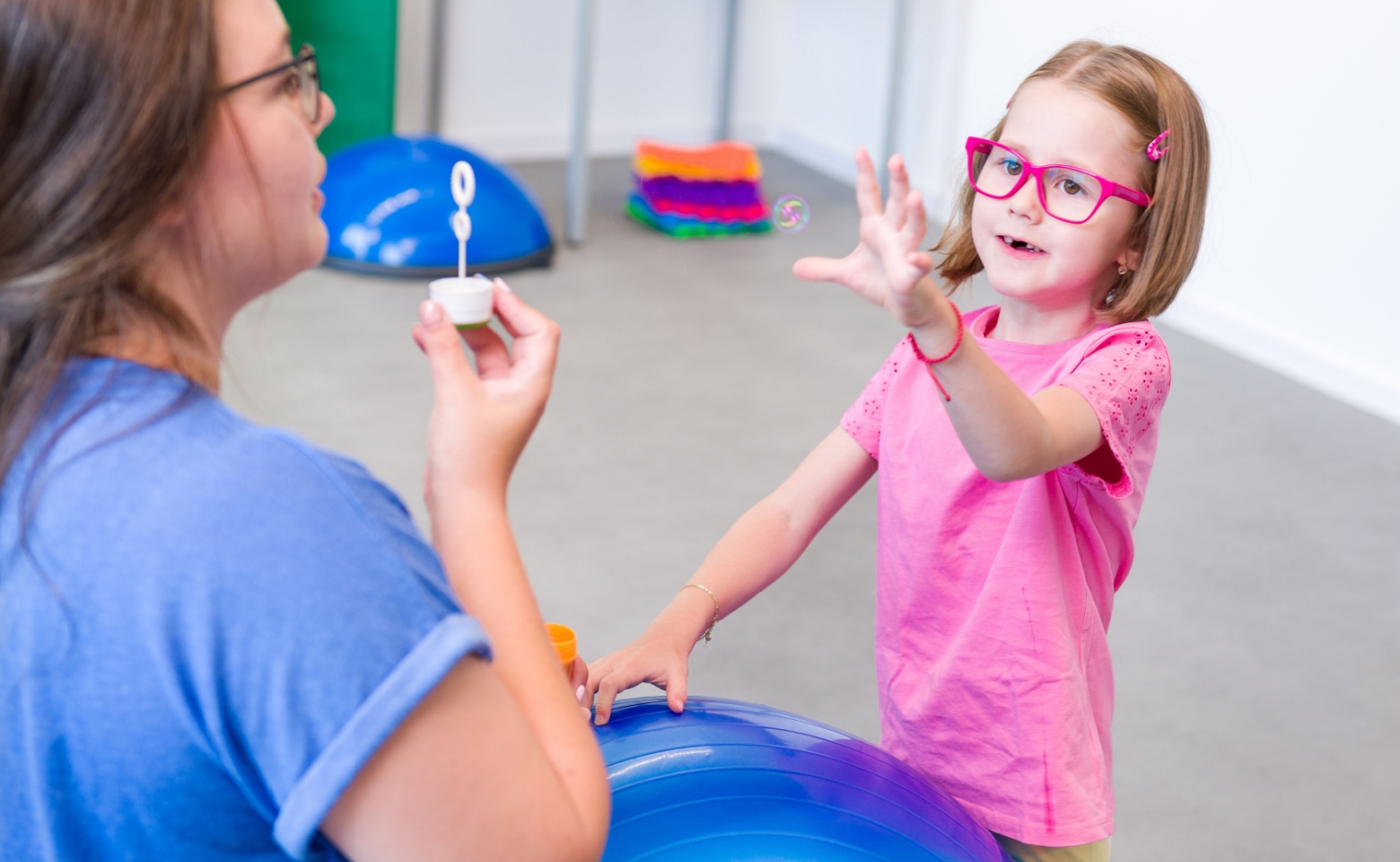
Kids love making sounds, so why not have some fun with it? Try making loud animal noises while playing with toys, or exaggerate sounds like “uh oh!” when something goes awry and “ooo” to grab their attention. It’s all about playfulness!
Use cause-and-effect toys
Cause-and-effect toys, such as dominoes, hide and seek, Simon Says, or peek-a-boo, are fantastic for developing skills like requesting, imitating actions, and understanding the concept of cause and effect. These toys are incredibly engaging!
Embrace the power of pause
Sometimes, the magic of communication is found in the moments of silence between conversations. Giving a little extra wait time can encourage a child to use a word they’ve been practicing. Remember, as speech-language pathologists, we often talk a lot, but letting silence speak can be quite effective!
Offer choices
Presenting two options can be a great way to target receptive language skills! Ask questions like “Which one is the apple?” while holding up an apple and a banana puzzle piece. Celebrate the right choice with enthusiasm—if they pick the apple, say, “Yes, the apple! The apple is red!” If they choose the banana, acknowledge their effort and gently guide them to the apple.
Incorporate songs and movements
Nursery rhymes are not just fun; they’re also excellent for helping kids imitate actions and follow directions! Kids naturally respond to music and movement, so let’s make learning speech enjoyable and dynamic!
Use transitioning songs
Young clients can often have a bit of trouble moving from one activity to another. Using phrases like “all done” or singing a “clean up” song while tidying up toys can help them grasp the concept of transitioning. It makes the change feel more manageable and fun!
Show them the way!
For many children in early intervention, spontaneous communication doesn’t come easily. They benefit from seeing actions modeled. So, be animated and enthusiastic when demonstrating an action or a word. Kids really respond to that silliness and energy!
Speak about success in speech-language pathology
Here is for the final tip that will tip the scale and for success in your SLP career! Join us at White Glove for great cases right in your neighborhood, all on your own terms.